



PRIMARY CARE PHYSICIAN: A primary care physician can be thought of as your medical home. He or she is the first healthcare professional you contact when you have a question or need. This is the doctor who can handle a variety of medical problems, who provides preventive care and advice, who maintains your medical history and can refer you to specialists when needed.

PHYSICAL MEDICINE AND REHAB PHYSICIAN, PHYSIATRIST: Another doctor very important in the care of people with a SCI is the Physical Medicine and Rehabilitation (PM&R) physician, also known as a physiatrist. This is the type of doctor that cares for you in the Rehab setting and works with a team of medical professionals, which may include physical and occupational therapists. Because all spinal cord injuries are different, a unique plan is designed to help the person function and succeed in everyday life. The plan often includes:
• Helping the person understand his or her injuries
• Helping the person understand the details regarding his or her care
• Helping the person become as independent as possible in everyday activities such as bathing, eating, dressing, grooming, and wheelchair use
• Helping the person learn to accept a new lifestyle, especially pertaining to sexual, recreational, and housing options
• Helping the person learn how to instruct caregivers in how to assist them
• Preparing them for vocational rehabilitation
Many people continue to follow up with their Rehab doctor long after leaving the rehab setting as this doctor is familiar with the original rehab plan and can continue to oversee and guide your progress as you get stronger and more independent.


WOUND CARE SPECIALIST: After a SCI, our nerves that normally signal discomfort and alert you to relieve pressure by changing position may no longer work. This can cause pressure sores, which are injuries to the skin and the tissue under the skin. They often develop on skin that covers bony areas such as the hips, heels, or tailbone. Pressure sores can also occur in places where the skin folds over on itself. They are described in four stages that range from mild reddening of the skin to severe complications, such as infection of the bone or blood. They can be difficult to treat and slow to heal. If you develop a pressure sore it’s important to be evaluated and treated by a wound care specialist. This person may be a doctor, nurse or other health care professional with special training in wound care.

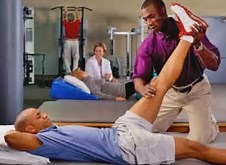
As explained in their job descriptions, these therapists are very important in assessing your level of injury and identifying a treatment plan to get you to your optimal best in your every day activities of living. For example, a PT might work with someone to learn to transfer from a wheelchair to the bed while an OT might help someone manage the task of brushing his or her teeth. The treatment plans are as unique as the individuals they are made for. And the time frame to complete the plans might be short or may be ongoing as an individual continues to improve and new goals are identified.
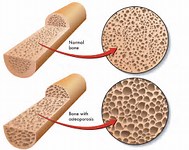
RHEUMATOLOGIST: A Rheumatologist is a specialist physician who has expertise in diagnosing and treating musculoskeletal conditions such as osteoporosis. People living with SCI have a much greater chance of developing osteoporosis, which is a disease in which the bones lose density, become weak and brittle, and are more likely to break. Why this occurs is another separate topic of discussion too vast to go into detail at this time. However, a rheumatologist is commonly the specialist who is referred for this condition. (For more information regarding bone density, click here.)
These types of providers are some of the most common specialty providers you may encounter living with a SCI. Your family doctor or primary care physician may be able to handle your specialized health care needs, but if not, they will most likely direct you to one of these providers. Regardless, once you identify the doctors who give you care; make a list with their names and numbers so you and/or your caregiver have quick and easy access to your doctors as needed, especially in the event of an emergency. See the example below:
June 29, 2017
Mary Jones’ List of Physicians
DOB: 2/2/60
Date of injury: 5/6/2014
Level of injury: T3-4 complete paraplegic
Allergies: Sulfa (rash)
Advanced Directives signed and on record at Mercy Medical Hospital
|
Physician
|
Phone number
|
|
Primary care: Dr. John Smith
Closed on Wednesdays
|
234-555-1060
|
|
Urologist: Dr. Tom Black
Open M-F 8am-4pm, Wednesdays 8-12pm
|
234-555-3622
|
|
Podiatrist: Dr. Jerry Foot
Closed on Fridays
|
234-555-8891
|
Roberta RN
References:
* Autonomic Dysreflexia (AD), also known as Hyperreflexia, is a potentially dangerous complication of spinal cord injury (SCI). In AD, an individual's blood pressure may rise to dangerous levels and if not treated can lead to stroke and possibly death. Individuals with SCI at the T-6 level or above are at greater risk. AD usually occurs because of a noxious (irritating) stimulus below the level of the injury. Symptoms include headache, facial flush, perspiration, and a stuffy nose.
What is a primary care physician?
http://baptisthealthfloyd.com/healthscope/which-doctors-are-considered-primary-care-physicians/
What does an orthopedic surgeon do? https://www1.cfnc.org/Plan/For_A_Career/Career_Profile/Career_Profile.aspx?id=Pg7ZfV6tqbkJKexMcuHHpAXAP3DPAXXAP3DPAX
What does a neurosurgeon do? https://www.urmc.rochester.edu/highland/departments-centers/neurosurgery/what-is-a-neurosurgeon.aspx
What does a physiatrist do?
http://www.aapmr.org/about-physiatry/about-physical-medicine-rehabilitation/what-is-physiatry
The Rehabilitation Phase
http://www.brainandspinalcord.org/spinal-cord-injury-rehabilitation/
What does an occupational therapist do?
https://www.bls.gov/ooh/healthcare/occupational-therapists.htm
What does physical therapist do?
http://www.apta.org/AboutPTs/
What is Autonomic Dysreflexia?
http://www.spinalcord.org/resource-center/askus/index.php?pg=kb.page&id=248
What does a rheumatologist do?
https://rheumatology.org.au/patients/what-is-a-rheumatologist.asp
What is osteoporosis?
http://www.spinalcord.org/resource-center/askus/index.php?pg=kb.page&id=1581
About the Authors:


Roberta Palmer has been a Registered Nurse for 20 years. She has knowledge in Family Practice, Allery and Immunology, Special Pharmacy Medication and Counseling, and she is a RN Health Coach. In 2014, she was involved in an ATV accident which also left her paralyzed (T3-4 complete paraplegic) from chest down.
No comments:
Post a Comment
We would love to hear from you! Please become a member to comment. Thank you!
Note: Only a member of this blog may post a comment.